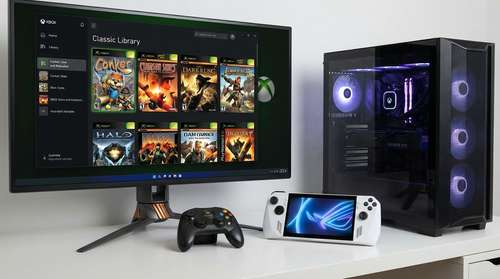
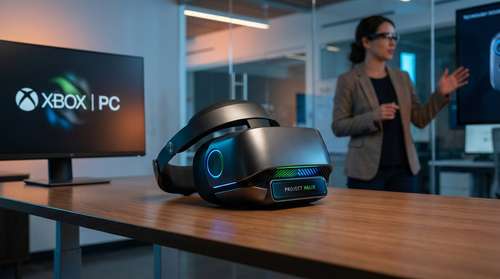
In a watershed moment for the gaming industry, newly appointed Xbox CEO Asha Sharma has officially confirmed the existence of Project Helix, Microsoft’s next-generation hardware flagship. Breaking weeks of intense speculation following a major leadership shakeup, Sharma took to social media to reveal that the device will not just be a console, but a high-performance hybrid capable of natively playing both Xbox console titles and PC games. This announcement signals a radical pivot for the brand, effectively tearing down the walled garden that has defined console gaming for decades.
The End of the Traditional Console War
The confirmation came via a post on X (formerly Twitter), where Sharma addressed the community directly. "Great start to the morning with Team Xbox," she wrote. "Project Helix will lead in performance and play your Xbox and PC games." While brief, the statement validates persistent rumors that Microsoft is moving away from the traditional proprietary hardware model toward a unified PC hybrid console.
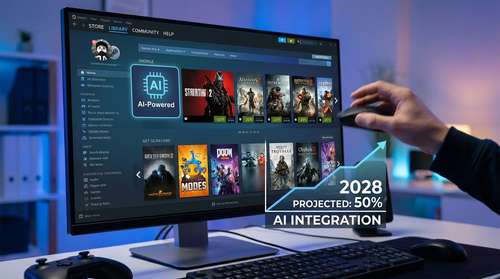
Industry analysts believe Project Helix is the culmination of Microsoft's long-term "Play Anywhere" strategy. By allowing users to access storefronts like Steam and the Epic Games Store alongside the Xbox ecosystem, Project Helix could serve as the definitive "everything machine." This move directly challenges Sony’s PlayStation 6 strategy and answers the rising popularity of handheld PCs, positioning Xbox as a premium, open-platform manufacturer rather than just a console maker.
Under the Hood: The 'Magnus' Chip
While official specifications remain under wraps until the Game Developers Conference (GDC) next week, supply chain leaks offer a glimpse into the beast powering Project Helix. Reports indicate the device utilizes a semi-custom AMD System-on-Chip (SoC) internally codenamed "Magnus." Unlike the Xbox Series X, which used a standard console architecture, Magnus is rumored to feature a hybrid design that bridges the gap between dedicated console optimization and raw PC flexibility.
Tech insiders suggest the hardware targets "leading performance" in the high-end market, potentially pushing native 4K at 120Hz without the compromises seen in current-gen mid-cycle refreshes. The inclusion of full Windows compatibility layers would allow the device to operate as a streamlined living room PC, giving players access to modding tools, third-party launchers, and legacy PC titles that were previously inaccessible on Xbox hardware.
A Premium Price for Premium Power?
With high-end PC components driving the architecture, Project Helix is expected to carry a premium price tag. Early estimates from hardware analysts suggest a price point potentially exceeding $900, placing it in a new "enthusiast" category separate from mass-market consoles. This aligns with Microsoft's recent strategy of offering tiered entry points, with Project Helix serving as the aspirational flagship while cloud gaming and affordable handhelds like the rumored "Xbox Ally" cater to the broader audience.
A New Era Under Asha Sharma
The unveiling of Project Helix is the first major move by Asha Sharma since taking the reins as CEO of Microsoft Gaming last month. Following the retirement of Phil Spencer and the departure of Sarah Bond, Sharma’s appointment was initially met with curiosity regarding her vision for the brand. This announcement firmly establishes her direction: a bold, hardware-centric future that leverages Microsoft’s dominance in the PC operating system space to save its console business.
"We are committed to the return of Xbox," Sharma emphasized, dispelling fears that Microsoft might exit the hardware business entirely. By merging the Xbox and PC libraries, Sharma is betting on a future where players no longer have to choose between the ease of a console and the library depth of a PC.
Release Date and What’s Next
Currently, Project Helix is tentatively targeted for a late 2027 release, though an official timeline has not been set. The gaming world now turns its eyes to next week's GDC, where Microsoft is expected to showcase the first technical demos of the hardware. If Project Helix delivers on its promise to "play everything," it may well be the last traditional "console" Microsoft ever needs to build.