The gaming landscape shifted when Nintendo's highly anticipated hardware hit shelves, and several months into its lifecycle, the dust has finally settled. This comprehensive Nintendo Switch 2 review evaluates whether the $450 hybrid console truly delivers on its lofty technical promises. With the March 26, 2026 release of system-defining titles proving the hardware's capabilities, we have a clear picture of what this generation offers. Nintendo successfully modernized its hybrid formula, integrating DLSS technology to achieve seamless 4K docked visuals without sacrificing the portable charm that made its predecessor a global phenomenon.
The Dawn of DLSS: Nintendo Switch 2 4K Performance
When examining Nintendo Switch 2 4K performance, the results speak for themselves. The system utilizes advanced NVIDIA DLSS upscaling to output a crisp, artifact-free 4K image when seated in its dock. Moving from portable play to the big screen feels instantaneous, and games maintain aggressive frame rate targets—often hitting a smooth 60fps, with select performance modes pushing an impressive 120fps.
In handheld mode, the console relies on a vibrant 1080p LCD panel. While early rumors hinted at an immediate OLED option, this LCD display is notably sharper and more color-accurate than previous baseline iterations. It presents deep contrasts and fluid motion that immediately outclass legacy portable screens.
A Massive Leap in Audio Quality
Beyond visual fidelity, the audio hardware received a much-needed overhaul. The new internal speakers produce full-bodied sound with cleaner bass and tightly controlled treble. This virtually eliminates the tinny harshness that plagued older models at high volumes. Comparing the speakers side-by-side with the original hardware reveals a night-and-day difference, cementing the device as a formidable standalone media player even without headphones.
Magnetic Joy-Cons and Nintendo Switch 2 vs Switch Comparison
Any thorough Nintendo Switch 2 vs Switch comparison must highlight the dramatic physical design changes. The new console sports a slightly larger, premium chassis with a refined, textured finish that looks less like a children's toy and more like high-end consumer technology.
The most celebrated hardware revision lies in the controllers. Nintendo abandoned the old sliding rail system, replacing it with larger, deeply ergonomic magnetic Joy-Cons that snap onto the sides of the display with a satisfying click. These controllers feature a wider grip, highly accurate analog sticks showing zero signs of the dreaded drift, and a novel built-in mouse mode designed for upcoming software integration.
Furthermore, robust backward compatibility ensures that your existing library runs flawlessly. Original Switch titles benefit directly from the boosted processing power, smoothing out frame rate drops in older, highly demanding games and breathing new life into aging classics.
Software and Standouts: Super Mario Bros Wonder Switch 2
Hardware potential means little without a strong library, and the initial Switch 2 launch games laid a tremendous foundation. Early heavy hitters like Donkey Kong Bananza and Mario Kart World showcased the system's graphical muscle, establishing an immediate reason to upgrade.
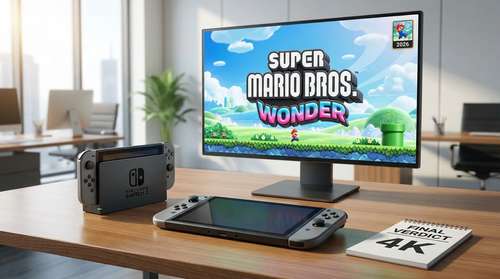
However, recent software releases truly define the platform. The arrival of the Super Mario Bros Wonder Switch 2 Edition on March 26 sets a new benchmark for modern platformers. This bespoke upgrade takes the flawless 2023 masterpiece and injects it with pristine 4K clarity. Beyond mere resolution bumps, this definitive edition introduces Bellabel Park, a brand-new area packed with fresh mini-games and playable characters. Tracking the best Switch 2 games 2026 has to offer shows Nintendo doubling down on monumental exclusive experiences while maintaining robust third-party support with titles like Metroid Prime 4 and Kena: Bridge of Spirits.
Switch 2 Price and Specs: Navigating the Market
Looking strictly at the Switch 2 price and specs, the $450 entry point places it firmly in premium territory. Under the hood, the system delivers roughly eight times the processing power of the original console. This beefier silicon does come at a slight cost to battery life, which tops out at around two to four hours during graphically intense, un-docked sessions.
Recent market adjustments add another layer to the console's value proposition. On March 26, Nintendo confirmed a permanent structural pricing shift for its upcoming software catalog. Beginning in May 2026, starting with pre-orders for Yoshi and the Mysterious Book, newly published digital exclusives will carry a lower MSRP ($59.99) than their physical counterparts ($69.99). This unprecedented move effectively subsidizes the digital ecosystem while offsetting the rising manufacturing and distribution costs of physical cartridges.
For early adopters and holdouts alike, the console easily justifies its price tag. Through stellar processing performance, profound quality-of-life hardware improvements, and an unparalleled gaming library, Nintendo's latest hardware successfully bridges the gap between modern graphical standards and the undeniable magic of handheld gaming.