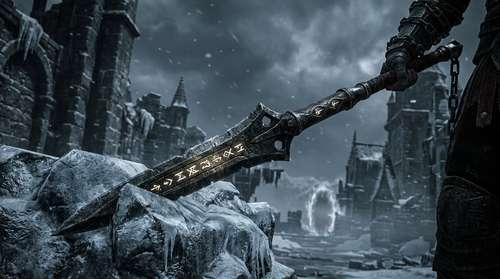
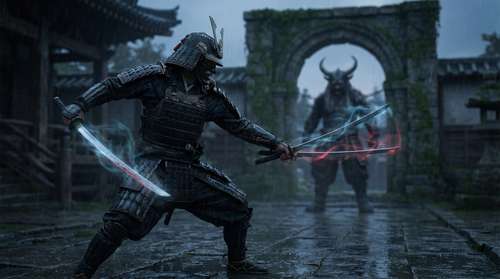
The wait is over. Following the global launch of Nioh 3 on February 6, players are finally diving into Team Ninja’s latest dark fantasy epic. As Tokugawa Takechiyo, you face a brutal Warring States period overrun by Yokai, but the biggest challenge isn't the demons—it's mastering the revamped combat system. Gone is the singular focus of previous titles; in its place is a demanding new Style-Switching mechanic that forces you to fluidly alternate between Samurai and Ninja disciplines. If you are struggling to survive the opening hours or can't quite time your Ki Pulses, this Nioh 3 combat guide breaks down the essential strategies you need to dominate the Crucible.
Mastering the New Style-Switching System
The core innovation in Nioh 3 is the ability to instantly swap between two distinct playstyles: Samurai Style and Ninja Style. Unlike Nioh 2, where you built a character around a specific weapon type, Nioh 3 demands versatility. Treating these as separate builds is a rookie mistake; the game is designed for you to use them in tandem.
Samurai Style is your powerhouse. It retains the classic Nioh feel—grounded, stance-based combat (High, Mid, Low) heavily reliant on Ki Pulse mechanics to sustain stamina. It excels at dealing raw health damage and breaking through guarding opponents. However, it can feel sluggish against faster enemies.
Ninja Style, conversely, abandons the Ki Pulse entirely. Instead, it focuses on high mobility, aerial raves, and the new Mist evasion mechanic. While it deals less direct health damage, it shreds enemy Ki (stamina) rapidly. The golden rule of combat in Nioh 3 is simple: Pressure with Ninja, Punish with Samurai. Use the Ninja style's speed to deplete a Yokai's purple Ki bar, then instantly Style Shift (R2) to Samurai to unleash devastating high-stance combos on the vulnerable foe.
Ki Management and Arts Proficiency
Ki management has evolved. In Samurai Style, the rhythm remains familiar: attack, wait for the blue lights, and tap R1 to Ki Pulse. Mastering this is non-negotiable for maintaining aggression. However, the Ninja Style requires a different mindset. Since it lacks a Ki Pulse, you must rely on Arts Proficiency to keep the momentum going.
Understanding Arts Proficiency
As you land hits in Ninja Style, you build up your Arts Proficiency gauge much faster than in Samurai Style. Filling this gauge buffs your next Style Shift, granting temporary unlimited Ki or massive damage multipliers for your first few Samurai heavy attacks. This synergy reinforces the loop: stay in Ninja stance to build gauge and harass, then switch to Samurai to cash out that proficiency for massive damage.
Best Starting Builds and Early Unlocks
When you first step into the open fields of the Totomi region, you might feel underpowered. Here are a few tips to optimize your early build:
- Unlock Stances Immediately: You start with only Mid Stance for Samurai. Prioritize spending your first few Skill Points to unlock High Stance. The overhead heavy attacks are essential for breaking Yokai horns and dealing burst damage during stagger windows.
- Weapon Synergies: While you can mix and match, some weapons are naturally locked to styles. Tonfas and Kusarigama shine in Ninja Style for rapid hits, while Odachis and Spears benefit most from the Samurai's poise. A balanced starting loadout is a Sword (Samurai) and Dual Hatchets (Ninja) to cover all ranges.
- Invest in Dexterity Early: Even if you prefer the heavy armor of a Samurai, a few points in Dexterity will increase your Ninja Style's Ki damage, making it much easier to open enemies up for finishers.
Strategy for Early Bosses: Surviving the Crucible
The early bosses in Nioh 3 serve as steep proficiency checks. One of the first major hurdles players are encountering is Jakotsu-baba, a Yokai boss that punishes passivity. Here is how to apply your new skills to defeat her and other early threats.
Bait and Switch: Bosses like Jakotsu-baba often have hyper-armor attacks that will trade favorably against a Samurai. Instead, start the engagement in Ninja Style. Use the Mist dash to iframe through her sweeps and pepper her with quick attacks to keep her Ki from regenerating.
The Burst Break: The Burst Counter returns but is now integrated into the Style Switch input. When you see the ominous red glow of a grab or power attack, timing your Style Shift (R2) acts as a Burst Break. This not only interrupts the boss but instantly fills a portion of your Arts Proficiency, allowing you to immediately counter-attack with a powered-up Samurai skill.
Finish the Job: Once the boss's Ki is broken and they enter the exhausted state (grapple window), do not grapple immediately. This is your window to switch to High Stance Samurai and unload your strongest active skills. Only take the grapple (Triangle) when the bar is about to recover, maximizing your total damage output.