
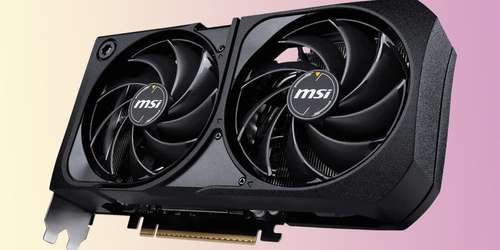
Graphics card enthusiasts and the tech community at large are bracing for a potentially significant increase in GPU prices from giants AMD and Nvidia come 2026. According to a report from Newsis, escalating costs in the computer hardware market are the driving force behind these hikes. Consumers might face steeper bills for top-tier graphics cards as these companies navigate an industry landscape shaped by high memory costs and burgeoning AI data center demands.
Underlying Causes of the Price Surge
Recent developments in AI technology have spurred a demand for substantial hardware capabilities, fueling the price increase. The construction of AI data centers worldwide has intensified the demand for memory components, directly impacting the prices for GPUs. Newsis indicates that both AMD and Nvidia will initiate these pricing adjustments as early as January and February 2026, respectively. This gradual increase is expected to continue throughout the year, reflecting the ongoing pressures on the hardware market.
Impact on Specific GPU Models
Particular attention is on Nvidia's GeForce RTX 50 series and AMD's Radeon RX 9000 series, which might see considerable price elevation due to these trends. The Nvidia RTX 5090, noted for its initial $1,999 price tag, is speculated to potentially skyrocket to as much as $5,000. Such speculation underlines the significant transformation expected in GPU pricing trends 2026, an evolution driven not solely by consumer gaming demands but by vast, industrial AI requirements.
AI's Influence on Hardware Demand
The escalation in GPU costs is not just a question of supply and demand but is deeply interconnected with the AI industry's hunger for computational power. According to statements from Nvidia's CEO, advancements in AI will necessitate "100 times more compute" power than past models. This infrastructure requirement is mirrored by companies like OpenAI, making them part of the hardware "guzzling behemoths" propelling these market changes.
Market Dynamics and Strategic Pricing
With AI companies ready to pay a premium for GPUs and the essential RAM needed for future AI models, AMD and Nvidia are strategically positioned. They recognize the ability to charge more due to the undeniable dependency these tech companies have on robust, high-performance hardware. This symbiotic relationship is a crucial part of AMD and Nvidia's price strategy moving into 2026, offering insights into the future of GPU pricing 2026.
Gamer Concerns Amid Price Hikes
For avid PC gamers and standard consumers of computer hardware, these impending price increases could strain budgets significantly. The prospect of a $5,000 GPU price tag could make maintaining cutting-edge gaming setups prohibitive. Additionally, as video game developers like Square Enix and Ubisoft passionately incorporate AI into their processes, the cycle of demand and cost continues to scale.
While AMD and Nvidia focus on accommodating the AI sector’s growing appetite, gamers could be caught in the crossfire, facing the dilemma of selecting between high costs or settling for less advanced technology. As we look forward, understanding these dynamics is crucial for those forecasting the 2026 gaming GPU costs and future market conditions.