The wait is finally over. Dragon Quest VII Reimagined has arrived, bringing one of the most divisive yet beloved entries in the franchise to modern platforms. Released on February 5, 2026, this ambitious overhaul by Square Enix and HexaDrive transforms the PlayStation original's daunting 100-hour runtime into a tighter, more accessible 45-hour adventure. But does this dramatic streamlining sacrifice the soul of the classic, or does it finally polish a rough diamond? Our Dragon Quest VII Reimagined review dives deep into the diorama-style visuals, the revamped combat system, and the controversial narrative cuts that are defining the conversation around one of the best JRPGs of 2026.
A Visual Delight: The Diorama Style
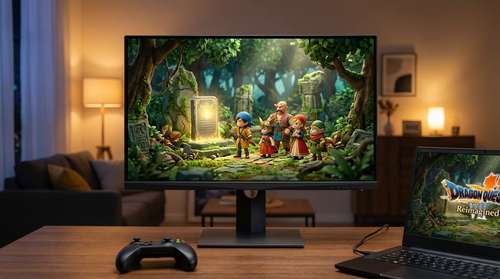
Unlike the recent HD-2D remakes of the Erdrick Trilogy, Dragon Quest VII Reimagined opts for a completely different aesthetic direction. Square Enix has implemented a stunning "living diorama" visual style that makes the world feel like a handcrafted toy box coming to life. The characters feature a unique, doll-like quality that complements the whimsical tone of the series, while the environments boast realistic lighting and textures that pop on Dragon Quest 7 Reimagined PS5 and PC hardware.
This artistic choice is more than just a fresh coat of paint; it serves the narrative theme of reconstructing a fragmented world. Every time you restore an island, the transition from grey ruin to vibrant, living landscape is visually spectacular. While some purists might miss the sprite-based charm of the original or the 3DS version, this new look gives the game a distinct identity in a crowded market of Square Enix JRPG remakes in 2026.
Streamlining the Epic: Story and Pacing
The most discussed aspect of this remake is undoubtedly its pacing. The original Dragon Quest VII was infamous for its slow burn—often taking hours before the first battle. The Reimagined version radically addresses this. The intro is significantly shorter, throwing players into the action within the first hour. The total playtime has been condensed from a sprawling 100+ hours to a focused 35-45 hour campaign.
This streamlining comes at a cost, however. Several filler islands and fetch quests from the original have been cut entirely or made optional. While this keeps the momentum high, some die-hard fans may feel short-changed by the removal of niche vignettes that added flavor to the world. However, the addition of new story beats—including a touching new arc involving an adult Kiefer—adds fresh emotional weight that veterans will appreciate. Ultimately, the narrative feels more cohesive, even if it loses some of the sheer scale of its predecessor.
DQ7 Reimagined Gameplay: Moonlighting and Combat
The turn-based combat remains the heart of the experience, but it has received significant modernizations. The new Moonlighting system is a game-changer, allowing characters to equip a secondary vocation alongside their primary class. This opens up incredible build diversity, letting players mix physical abilities with magical support without the tedious grind of switching classes constantly. For example, pairing a Warrior with a Priest subclass allows for a self-sustaining tank build early in the game.
Additionally, the introduction of "Vocational Perks" adds passive bonuses that persist even when changing jobs, rewarding long-term investment in specific classes. Critics have noted that these changes, combined with quality-of-life features like auto-battle and sped-up animations, make the game arguably easier than the original. While DQ7 Reimagined gameplay is smoother and more respectful of the player's time, those seeking a brutal challenge might need to avoid over-leveling or impose self-restrictions.
Performance Check: Switch 2 vs. PS5
We tested Dragon Quest VII Reimagined Switch performance alongside the PS5 version. On the new Nintendo Switch 2, the game runs beautifully at a locked 60fps in docked mode, showcasing the system's capability to handle dense particle effects and dynamic lighting. The original Switch version targets 30fps and sees some resolution drops in busy towns but remains perfectly playable. On PS5 and PC, the 4k resolution brings out the incredible detail in the diorama textures, making it the definitive way to play for graphics enthusiasts.
Verdict: A Modern Classic Reborn
Dragon Quest VII Reimagined is a triumph of modernization. By boldly cutting the fat and respecting the player's time, Square Enix has turned an intimidating cult classic into an essential RPG for the modern era. While the difficulty may lean on the easier side and the cut content might irk purists, the result is a game that retains the heart and wonder of the original while shedding its archaic baggage.
Whether you are a newcomer looking for one of the best JRPGs of 2026 or a veteran wanting to relive the journey to Estard, this remake is a journey worth taking. It stands as a shining example of how to reimagine a classic without losing its soul.