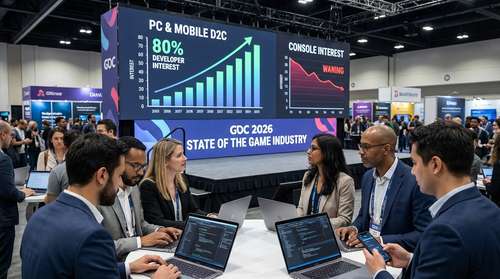
The gaming landscape is undergoing a seismic shift, with the newly released GDC 2026 State of the Game Industry report confirming what many analysts have long suspected: the traditional console cycle is losing its grip on developers. According to the survey, a record 80% of creators are now prioritizing Windows PC for their upcoming projects, cementing the platform's status as the industry's primary development environment. Meanwhile, interest in dedicated hardware like the PlayStation 5 and Xbox Series X continues a steady decline, signaling a potential end to the console-first era.
PC Gaming Industry 2026: The Windows Powerhouse
For the second consecutive year, the PC market has asserted itself as the dominant force in game development. The GDC 2026 report reveals that 80% of surveyed developers are currently working on a project for Windows, a figure that has held firm from the previous year's surge. This stability stands in stark contrast to the volatility seen in other sectors of the market.
Industry experts point to several factors driving this Windows game development trend. The open nature of the PC platform, combined with the explosive growth of handheld PC devices, has made it the safest harbor for studios navigating an uncertain economic climate. Unlike closed console ecosystems, the PC market offers diverse storefronts and fewer certification hurdles, allowing for more agile development cycles.
The Steam Deck Factor
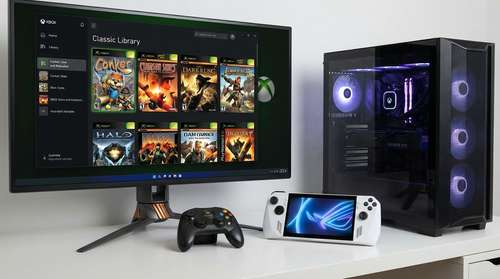
A significant driver of this PC focus is the continued success of handheld gaming PCs. The report indicates that while these devices run PC games, they have effectively bridged the gap between console convenience and PC library depth, giving developers a "best of both worlds" target audience without the need for proprietary console dev kits.
Consoles Slip: A Mid-Cycle Identity Crisis
Perhaps the most alarming trend for hardware manufacturers is the waning developer interest in traditional consoles. The GDC 2026 report data shows a notable dip in studios targeting the PlayStation 5 and Xbox Series consoles compared to 2025. With the current console generation arguably past its peak, developers appear to be looking beyond the "walled gardens" of Sony and Microsoft.
"The cost of development for high-end consoles has skyrocketed, yet the install base is fragmented," notes a senior analyst cited in the report context. This friction is pushing mid-sized and indie studios toward the future of gaming platforms—which looks increasingly platform-agnostic, with PC as the universal baseline.
Mobile Gaming D2C Shift: The Revolution Will Not Be App Store Taxed
While PC conquers the high-end market, the mobile sector is experiencing its own revolution. The report highlights a massive pivot in mobile gaming D2C (Direct-to-Consumer) models. Fueled by regulatory changes and the desire to escape the 30% commission fees levied by Apple and Google, mobile developers are aggressively building their own web stores and payment portals.
This mobile gaming D2C shift is not just a minor experiment; it is becoming the standard for profitability. The survey suggests that nearly 40% of mobile studios are now actively exploring or implementing off-platform monetization strategies. This move allows creators to own the customer relationship directly, bypassing the traditional app store gatekeepers that have dominated the last decade.
Layoffs and AI: The Human Cost of Efficiency
Beyond platforms, the state of the game industry survey paints a sobering picture of the workforce. Following a brutal 2025 where one-third of the industry faced layoffs, job security remains a top concern. The 2026 data shows that while the rate of layoffs has slowed slightly, studios are leaner than ever, often turning to Generative AI to fill the gaps.
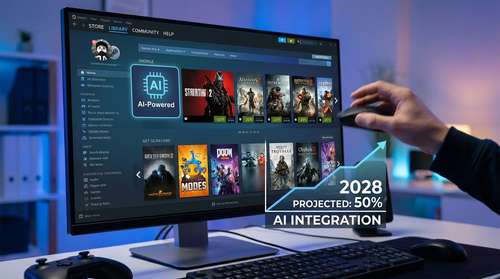
Approximately 35% of developers reported using AI tools in their daily workflows, up from last year. This technological adoption is a double-edged sword: it empowers smaller teams to create PC vs console 2026 quality titles but fuels anxiety about the future of entry-level roles in art and QA.
The Future of Gaming Platforms is Agnostic
The GDC 2026 report ultimately outlines a future where the device matters less than the ecosystem. With Windows game development trends pointing toward an open, accessible market and mobile developers breaking free from app store monopolies, the industry is moving toward a player-centric model. For studios, the message is clear: build for the platforms where you have the most control—PC and the open web—and let the hardware sort itself out.