The original Nintendo Switch launched with a meticulously curated digital library, but as years passed, its storefront devolved into a notoriously cluttered marketplace. Players navigating the digital aisles were often bombarded with low-effort asset flips, AI-generated puzzle games, and endless cheap clones. Now, as the next generation of hardware rolls out, the company is fighting back. The Japanese gaming giant has launched a comprehensive Switch 2 eSlop crackdown to ensure their brand new ecosystem remains premium.
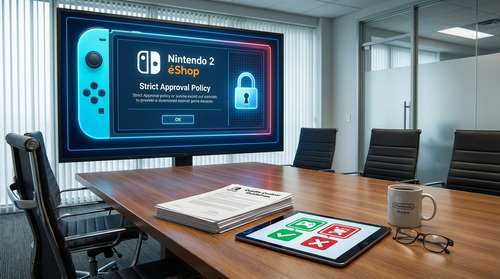
According to recent industry developments in early March 2026, the Nintendo Switch 2 eShop is operating under a much tighter set of publishing guidelines. Developers are discovering that securing a spot on the fresh platform is far from guaranteed, even if they already have an established track record on the original console.
The Switch 2 eSlop Crackdown: Quality Over Quantity
For years, indie developers and players alike voiced frustration over the state of the first-generation eShop. Quality titles were frequently buried beneath an avalanche of what the community dubbed 'shovelware'. To combat this, the new Nintendo shovelware policy represents a complete philosophical shift for the hardware manufacturer. Instead of leaving the floodgates open, the company is actively gatekeeping the platform.
The confirmation of this rigorous stance comes directly from prominent indie developers who are currently navigating the ecosystem. In a recent interview with RPG Site, Dave Oshry, CEO of New Blood Interactive, peeled back the curtain on the current situation. Oshry noted that Nintendo is being noticeably 'cagey' regarding which titles actually secure permission to launch natively on the next-gen hardware.
According to Oshry, the motivation behind this strict curation is straightforward: executives simply do not want the new storefront to become a 'giant slop fest' like its predecessor. By prioritizing highly polished experiences, the Nintendo digital storefront is undergoing a massive reputation rehabilitation.
Navigating the New Switch 2 Game Approvals Process
Securing a development kit is only half the battle. While hardware access has reportedly become easier for studios in recent months, the actual Switch 2 game approvals process is where the real bottleneck lies.
The situation with New Blood Interactive Switch 2 projects perfectly illustrates this new reality. Oshry shared that the studio already possesses the development hardware and has successfully ported its hit retro shooter, Dusk, to the system. From a technical standpoint, the game is a triumph—running at a blisteringly fast 120 frames per second and fully supporting native mouse controls on the console. The software is completely ready for public consumption.
However, New Blood is currently stuck in a holding pattern. Despite their proven track record, a fully functional build, and a positive relationship with the platform holder, the studio must wait for official corporate authorization to hit the publish button. Nintendo is carefully controlling the pipeline of native releases to ensure the early library maintains an exceptionally high standard of quality.
A Cleaner Storefront Requires Patience
This cautious approach creates a double-edged sword for the independent gaming community. On one hand, players benefit from a vastly improved discovery experience. The storefront currently separates legacy software from next-gen native titles, utilizing clear visual indicators like a distinct red bar across the top of next-gen game art. Gamers no longer have to sift through dozens of mobile-tier ports to find a compelling weekend download.
On the flip side, legitimate independent studios might face longer wait times and fewer immediate launch opportunities. While the meticulous curation effectively blocks bad actors trying to run a quick grift, some developers worry that genuine projects could face unexpected delays during the rigorous review process.
Will the Nintendo Digital Storefront Stay Premium?
If you follow the latest Nintendo Switch 2 news 2026, this stringent approval strategy aligns perfectly with other recent backend changes. Late last year, the company quietly rolled out aggressive restrictions targeting bundle abusers—publishers who rapidly rerelease the same cheap games to artificially manipulate the sales charts. They also implemented strict rules against inaccurate product descriptions and sensitive content.
Now, those initial policy tweaks have evolved into a global barrier to entry for native software. While the legacy eShop remains a chaotic environment filled with older shovelware, the next-generation digital aisles are pristine.
Many industry veterans applaud the move, noting that competing storefronts have had to rely heavily on complex algorithms to hide low-quality submissions. Nintendo's decision to utilize strict oversight and hard approval gates feels bold, but it may be the exact remedy the platform needs. The original console's open-door policy was initially praised for welcoming indies, but it ultimately harmed discoverability. By slamming that door shut on low-effort titles, the hardware giant is prioritizing consumer trust above sheer volume. It remains to be seen how long the company can maintain this intense level of manual curation as the user base grows, but the current message to developers is crystal clear. If you want to sell games on the newest hardware, you need to bring your absolute best work to the table. The era of effortless digital clutter is officially over.