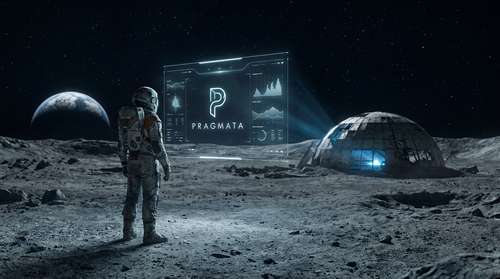
Six years after its initial reveal, the wait is finally over. Launching to universal acclaim on April 17, 2026, Capcom’s lunar epic is already cementing its status as a defining cultural moment in interactive entertainment. The gaming industry rarely sees original intellectual property launch with this level of confidence. Since its enigmatic debut, fans have speculated endlessly about what this mysterious adventure would actually play like. Following several high-profile delays to polish the final product, the development team has delivered on every single promise. In this comprehensive Pragmata review, we break down why the spacefaring duo of Hugh and Diana deliver an experience that drastically redefines the modern third-person shooter. Combining visceral action with emotional depth, this is arguably the crown jewel of Capcom's recent renaissance and easily one of the best games of 2026.
Capcom Pragmata Gameplay: A Symphony of Bullets and Code
When it comes to mechanical innovation, the Capcom Pragmata gameplay loop shines the brightest. At its core, you are controlling a single lethal unit split across two distinctly different skill sets. Hugh handles the traditional gunplay with a varied arsenal of heavy ordnance and jet-pack evasion. However, his weapons alone barely scratch the corrupted robotic forces of the rogue AI known as IDUS. That is exactly where his android companion steps in. Enemies range from swarms of fast-moving mechanical drones to towering, screen-filling robotic monstrosities. If you simply try to shoot your way out of these encounters, you will quickly find yourself depleted of ammunition and completely overwhelmed. The synergy between Hugh's mobility and Diana's systemic takeovers is mandatory for survival.
The Ultimate Pragmata Hacking Guide
Any functional Pragmata hacking guide will tell you that mastering Diana’s real-time grid interface is the true skill ceiling. Aiming down your sights triggers a "Snake"-style hacking matrix on the right side of the screen. Players must use their controller's face buttons to carve a path through a grid to expose enemy vulnerabilities, all while simultaneously maneuvering Hugh out of harm's way.
This dual-hemisphere multitasking sounds overwhelming at first, but Capcom has polished the user interface so brilliantly that successfully executing a complex hack while boosting across a lunar crater quickly becomes second nature. Upgrading your gear at the Firmware Updater inside your home base—the Shelter—ensures that both your firepower and hacking nodes scale beautifully as the difficulty ramps up.
Visual Peerlessness: Pragmata Switch 2 Performance
Powered by an extensively upgraded RE Engine, the visual fidelity on display across "The Cradle"—the game's decaying lunar research facility—is simply breathtaking. But the real technological miracle lies in the Pragmata Switch 2 performance. Capcom’s latest title scales remarkably well on Nintendo’s newest hardware.
While the PlayStation 5 and PC versions naturally push higher framerates and ray-traced shadows, the Switch 2 maintains a rock-solid target while preserving the intricate environmental details and Diana's hyper-realistic micro-expressions. Nintendo players also get a tactile bonus: the exclusive Diana Amiibo integration instantly unlocks supplementary recovery items and early-game weapon skins, rounding out what is arguably the most impressive portable port of the generation.
Pragmata vs Resident Evil Requiem
Fans of the developer will inevitably draw comparisons in the Pragmata vs Resident Evil Requiem debate. Both titles utilize the same underlying engine architecture and share a knack for oppressive, isolated atmospheres. However, where Requiem leans heavily into claustrophobic survival horror, Pragmata embraces vast sci-fi spectacle and dynamic verticality. The inclusion of the Shelter hub area—where players can display hidden Mini-Cabin collectibles and tackle Simulation Pod challenges—provides a welcomed breather that Requiem intentionally lacked.
The Emotional Core: Pragmata Ending Explained
What truly elevates this title beyond a mere mechanical showcase is the evolving familial relationship between the stoic spacefarer and his android child. Capcom brilliantly avoids the overused "escort mission" trope; Diana is never a burden, she is your lifeline who uncovers hidden pathways and exposes enemy weak points.
Without venturing into massive spoiler territory, we have to touch upon the game's gripping narrative closure. For players seeking a Pragmata ending explained breakdown, the climax hinges entirely on the culmination of this bond. The final confrontation against the IDUS central core forces players to push their multitasking combat skills to the absolute limit. Furthermore, the final cinematic sequences are beautifully directed, leaning heavily into the game's stellar motion capture performances. The ending effectively answers the lingering mysteries behind The Cradle's downfall while leaving just enough thematic ambiguity about the future of AI to spark endless community discussion.
The Definitive Verdict
Capcom gambled heavily on an incredibly ambitious new intellectual property, and they have hit the absolute jackpot. From the emotionally charged narrative to the ingeniously layered combat systems, every design choice feels deliberate and masterful.
- Unmatched Combat: The seamless blend of grid-hacking and fast-paced shooting creates a uniquely rewarding flow.
- Stunning Environments: The Cradle is packed with environmental storytelling and stunning sci-fi vistas.
- Heartfelt Story: A genuine, grounded relationship that anchors the high-concept sci-fi madness.
Whether you are frantically navigating the high-stakes hacking grids or simply admiring the desolate beauty of a ruined moonbase with Diana by your side, the journey back to Earth is one you won't soon forget. Capcom hasn't just released a great game; they have launched their next definitive franchise.