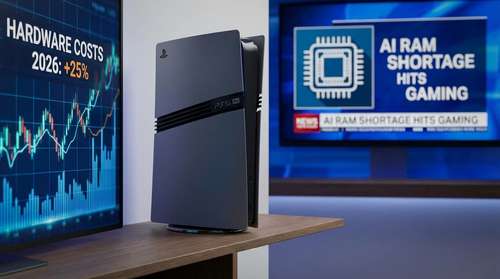
In a move that has sent shockwaves through the gaming community, Sony has officially implemented a massive PS5 price increase 2026 update. Effective today, April 2, hardware costs across the entire PlayStation lineup have surged worldwide. This unprecedented mid-cycle spike arrives as the consumer electronics industry grapples with severe supply chain bottlenecks, soaring component costs, and an aggressive shift toward enterprise artificial intelligence.
Typically, console hardware becomes cheaper to manufacture and purchase as a generation matures. However, gamers are finding themselves in an alternate reality where a six-year-old console is now substantially more expensive than it was on launch day. If you were holding out for a price drop, the Sony hardware price hike April announcement serves as a harsh wake-up call to the new economics of the global tech industry.
The PlayStation 5 Pro New Price Breakdown
The updated pricing structure is incredibly steep, marking the second significant cost adjustment from Sony in less than a year. Following a previous $50 bump in August 2025, buyers looking to pick up new hardware today will face an even more substantial markup.
Here is the finalized PS5 Pro MSRP 2026 alongside the rest of the updated hardware family in the United States, which officially went into effect this morning:
- Standard PS5 (Disc Edition): $649.99 (Increased by $100 from $549.99)
- PS5 Digital Edition: $599.99 (Increased by $100 from $499.99)
- PlayStation 5 Pro: $899.99 (Increased by $150 from $749.99)
- PlayStation Portal: $249.99 (Increased by $50 from $199.99)
Similar proportional spikes have taken effect immediately across the United Kingdom, Europe, and Japan. Sony Interactive Entertainment's Vice President Isabelle Tomatis stated in a recent PlayStation blog post that the decision was a "necessary step" due to "continued pressures in the global economic landscape" to ensure the company can continue delivering innovative, high-quality gaming experiences.
The AI Impact on Gaming Hardware
While Sony's official communications lean heavily on vague global economic pressures, industry analysts point directly to a massive bottleneck in the semiconductor sector. The AI impact on gaming hardware is no longer a distant theoretical threat—it is actively draining consumer wallets today.
Major semiconductor manufacturers like Samsung, SK Hynix, and Micron have aggressively pivoted their fabrication lines. They are heavily prioritizing enterprise-grade memory chips specifically designed to fuel artificial intelligence data centers. Because corporate clients are willing to pay astronomical premiums for high-speed components, consumer-grade technology production has been severely restricted, causing supply to plummet and costs to skyrocket.
RAM Shortage Gaming News: A Geopolitical Supply Chain Crisis
At the heart of this crisis is severe component scarcity. Recent RAM shortage gaming news highlights how vital parts like GDDR6 VRAM and NAND flash storage are becoming prohibitively expensive to source. Because modern AI infrastructure requires staggering amounts of this exact type of high-bandwidth memory, Sony is forced into an unwinnable bidding war against big tech giants with virtually limitless budgets.
Furthermore, broader geopolitical conflicts have dramatically inflated shipping and silicon manufacturing costs. Ongoing disruptions in the Strait of Hormuz affecting the global oil trade, combined with a critical helium shortage stemming from shutdowns at Qatar's natural gas export facilities, have created a perfect storm for manufacturers. Helium is an absolutely essential gas for producing computer chips, and its reduced supply has drastically driven up the overhead for companies like Sony. Analysts note that this combination of factors has even forced companies like Epic Games to lay off workers due to sluggish console sales.
PlayStation 6 Price Speculation and Future Outlook
With current-generation hardware rocketing to nearly $900, the gaming industry is now bracing for the harsh realities of the next generation. The current supply chain disaster has triggered intense PlayStation 6 price speculation, with many hardware experts predicting a grim scenario for upcoming hardware lifecycles.
Historically, console generations span roughly seven years, meaning we would typically be approaching the twilight of the PS5 era. However, with components remaining at historically expensive levels, industry insiders suggest that Sony may intentionally delay the PS6 rollout until 2028 or 2029. Releasing a next-generation console in the current climate could easily push the base price well over $1,000. For now, hardware accessibility is shrinking, and the traditional model where companies absorb hardware manufacturing losses to sell digital software is becoming financially unsustainable.
If you are planning to upgrade your gaming setup, the golden days of waiting for a lucrative holiday discount might be entirely over. As the tech industry continues its relentless pursuit of artificial intelligence dominance, the actual cost of interactive entertainment will likely remain at these record-breaking highs for the foreseeable future.