Steam hardware reviews have finally arrived, bringing an end to the era of ambiguous PC performance claims. In a move that PC gamers have requested for years, Valve's latest Steam beta update 2026 introduces a groundbreaking feature: the ability to attach your specific system specifications directly to your user review. Released on February 12, this update promises to transform how players evaluate performance complaints, offering transparency that separates poor optimization from outdated hardware.
Ending the "Works on My Machine" Era
For decades, the comment section of any major PC release has been a battlefield of conflicting reports. One user claims a game is unplayable stutter-fest, while another insists it runs buttery smooth. Until now, there was no easy way to verify if the complainer was trying to run a cutting-edge title on a decade-old GPU or if the game was genuinely broken.
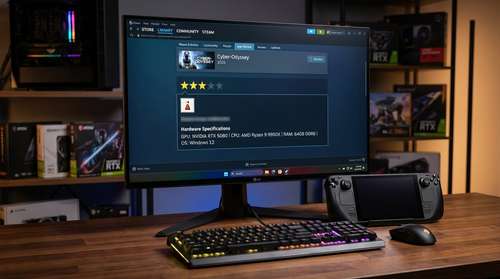
The new Steam user review specs feature solves this by adding a simple checkbox when you write or update a review. According to the official patch notes, users can now "attach hardware specs when writing or updating a Steam User Review on a game's store page." This creates a verified snapshot of your rig right next to your opinion. If a review blasts a game for low framerates, you can now glance at their specs to see if they meet the minimum requirements or if they are rocking an RTX 5090 that should be crushing the workload.
How the Feature Works
Valve has designed this system for convenience. You don't need to manually type out your CPU and GPU every time. The client allows you to create a reusable Valve PC hardware profile based on your current system data, which can be auto-populated into future reviews. This ensures accuracy and saves time for prolific reviewers who want to provide helpful PC gaming performance news and context to their peers.
Transparent Performance Data for Buyers
This update is a massive win for consumer awareness. With PC game optimization 2026 being a hot topic after several high-profile unoptimized launches earlier this year, buyers need reliable data. When browsing reviews, you will be able to filter or spot reviews from users with hardware similar to yours. If you have a mid-range AMD setup, you can specifically look for reviews from other users with similar Ryzen and Radeon configurations to get a realistic idea of performance.
This transparency also holds developers accountable. It becomes much harder to dismiss performance complaints as user error when hundreds of reviews with high-end specs are all reporting the same frame pacing issues. Conversely, review bombing based on performance will be easier to filter out if the negative reviews are coming from systems that clearly don't meet the game's minimum specs.
Steam Deck and Framerate Telemetry
The update isn't just about static hardware lists. Valve is also pushing forward with new Steam Deck performance updates. The beta includes an option to share anonymized framerate data with Valve. While currently focused on SteamOS devices, this telemetry will help Valve "learn about game compatibility and improve Steam."
For Steam Deck users, this is particularly significant. The update adds a new feedback mechanism for the "Deck Verified" program. If you disagree with a verified rating, you can now submit detailed reasons why. Combined with the framerate data, this should lead to more accurate compatibility badges, ensuring that "Great on Deck" actually means playable performance.
How to Join the Steam Beta
This feature is currently available only to participants in the Steam Client Beta. If you want to start tagging your reviews with your rig's power today, here is how to get involved:
- Open Steam and navigate to Settings.
- Select the Interface tab.
- Find the "Client Beta Participation" section.
- Select "Steam Beta Update" from the dropdown menu.
- Restart Steam when prompted.
Once restarted, you will see the new option next time you go to write a review. As this is a beta, expect some minor quirks, but historically, features like this roll out to the stable client within a few weeks.
A New Standard for PC Reviews
By integrating hardware context directly into the review ecosystem, Valve is modernizing how we discuss PC performance. No longer will we have to guess if a "bad port" is actually just a case of a bottlenecked CPU. As we move further into 2026, this feature will likely become the standard for how we judge technical performance on the platform, making the Steam store a more reliable place for everyone.